

Sydney has some of the most expensive upgrades in Australia.
When it comes to property, more bedrooms equals a higher price, right?
Well, generally, yes, but not always.
Exclusive new realestate.com.au data has revealed that four bedroom houses can cost more than $2 million more than three bedroom houses in some capital cities, but less than three-bedders in other parts of the country.
And as families shrink in size over time, from averaging three kids 40 years ago, to less than two kids now, there is not as much demand for those extra bedrooms and will likely be even less so in the future.
Space does remain at a premium however, with what might once have been a fifth bedroom now perhaps used for two home office spaces instead.
MORE: Cost per bedroom in Qld suburbs revealed
Realestate.com.au economist Megan Lieu said three bedroom houses were the most highly sought after homes across the nation, though four bedrooms were generally higher in price.
“There is a very clear trend in the fact that an additional bedroom does add to the value of a house,” she said. “So homes with more bedrooms tend to be more expensive.
This three-bedroom Main Beach house is for sale for $4.375m.
“We have still seen demand for three-bedroom houses be higher than four bedrooms, in terms of inquiries, and I did do some research on the increase in searches for granny flats, which could point to an increase in multi-generational living.
“But it hasn’t really been reflected in the data, and I think generally affordability is playing a big role in whether people are looking for bigger homes, because they tend to cost more.”
Ms Lieu said it was important to consider that larger homes also tended to be on larger allotments, which can sway the value.
In Queensland, Main Beach, Surfers Paradise and New Farm were among the toughest places in Australia to upsize, with families needing to find as much as $1.9m extra simply to move to a home with one more bedroom.
Main Beach has the biggest price gap in the nation between a two and three-bedroom house, with buyers needing an additional $1.9m to make the move.
MORE:Cost per bedroom in NSW revealed
Adding a single bedroom to your home in some Sydney suburbs can cost more than buying an entire home in other parts of the country.
This apartment in Sydney’s east will set you back $6.9m.
Sydney families chasing more space face a steep price premium, with buyers paying around $1.6m for an additional bedroom in some suburbs for units and around $2m for houses.
The figures spotlight the eye-watering cost attached to properties in some of the city’s most coveted locations where limited housing supply, prestige appeal and high-end inclusions continue to widen the price gap between homes.
Barangaroo, Millers Point, Milsons Point and Elizabeth Bay were among the suburbs where buyers faced the steepest cost increase for an extra bedroom in a typical unit – upwards of $1m.
MORE:Cost per bedroom for Vic suburbs revealed
Melbourne families could save themselves a few hundred thousand dollars, or even millions, by compromising on an extra bedroom on their next home purchase.
New REA data shows while 83 Greater Melbourne suburbs have a median gap of $100,000 or less between three and four-bedroom houses, in Toorak there is a $3.3m difference that would comfortably buy multiple houses in some corners of the city.
In South Australia, there were a number of bargain areas where extra bedrooms were actually cheaper.
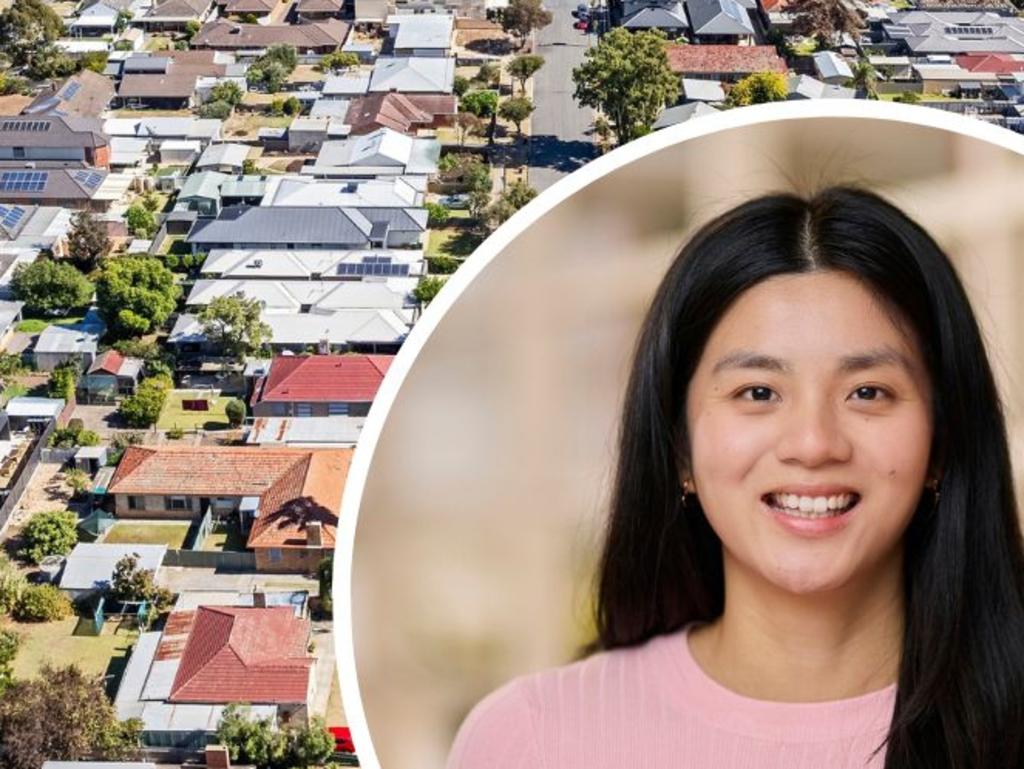
Realestate.com.au senior economist Megan Lieu.
In Aldinga Beach, the median price of a three bedroom home over the past 12 months was $810,000, $55,000 or 6.36 per cent less than the median price of its two-bedroom homes – $865,000.
A three-bedroom house was also cheaper than a two-bedroom in Whyalla Norrie and Coober Pedy, by 0.91 per cent and 0.76 per cent respectively.
MORE:Cost per bedroom for SA suburbs revealed
McCrindle director of solutions Geoff Brailey said there had been a societal shift towards smaller households, which was likely to mean smaller homes would become more popular for the next generation of homebuyers.
“Affordability and the cost of raising children are big barriers to having more kids,” Mr Brailey said. “The declining family size means an opportunity to live in smaller homes or to live in multigenerational homes. The desire may be there for larger homes, but the reality is about what we can afford.”

2 Comments
Pingback: Sydney auctions: Top homes beat reserve in tough market - Industry Movement
Pingback: Retirement sector warns state policy risks retiree housing crisis - Industry Movement