

Pakistan works on virtual asset rules, eyes tokenised debt and real estate
Proposed framework to cover licensing and oversight as government explores digital assets for lower-cost remittances
Pakistan is working on legislation, licensing and regulatory oversight for virtual assets as the government explores their use in remittances, public debt and real estate.
The emerging framework comes amid growing adoption of virtual assets and forms part of a broader government push to expand Pakistan’s digital economy.
One potential application is remittances, where digital assets could be used to make transfers cheaper and more seamless.
The government is also examining tokenisation in public debt and real estate as possible areas for financial innovation.
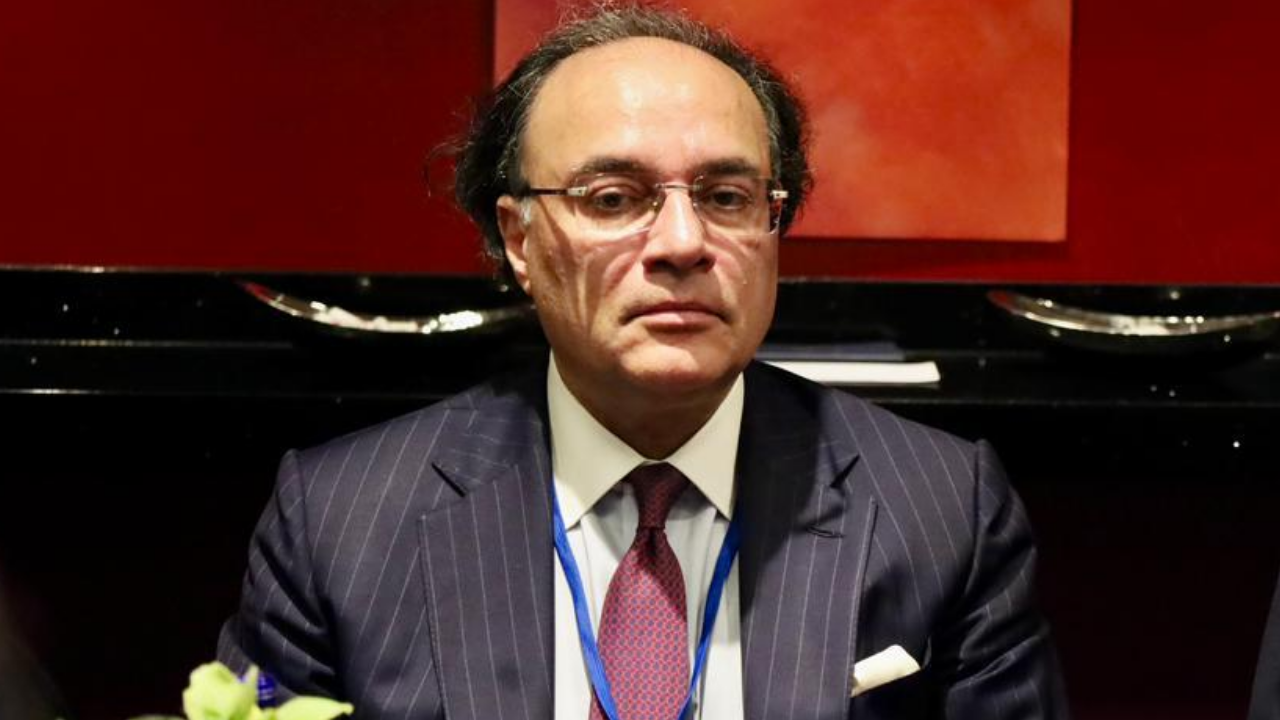
Finance Minister Muhammad Aurangzeb outlined the plans at a Digital Cooperation Organization (DCO) ministerial dialogue in New York, the Finance Division said on Wednesday.
Pakistan’s wider digital agenda includes development of digital public infrastructure and increased adoption of cashless payment systems.
The government is also focusing on digital skills, with Aurangzeb calling for upskilling and reskilling alongside improvements in connectivity.
The approach is aimed at enabling freelancers and other digital workers to shift towards higher-value services and strengthening their participation in the digital economy.
Aurangzeb linked digital transformation with Pakistan’s transition from economic stabilisation towards sustainable growth and called for DCO members to increase cooperation on policy, investment and sharing successful approaches.
The finance minister is in New York for the 81st session of the United Nations General Assembly.
Comments
No comments yet. Be the first to join the discussion!
