

Audi Hungariaautomotive industryBMWbydforeign workershousingindustrial investmentMagyar SuzukiMercedes-Benzreal estate market
Foreign Workers at Automotive Giants Could Reshape the Real Estate Market
Hungary Today
2026.09.28.
The largest companies are shaping the real estate market through both their industrial investments and their growing workforce needs.Világgazdaság looked into how many foreign workers Hungary’s largest automotive players employ.
A new real estate development cycle may be beginning in Hungary: in addition to industrial and logistics investments, residential construction, rental housing programs, and urban and infrastructure developments could also gain momentum. The largest companies could play a significant role in this.
According to CBRE’s latest real estate market report, investments by the largest automotive companies in Hungary may not only create demand for new manufacturing and logistics facilities, but there may also be a need for housing, worker accommodations, retail spaces, services, and transportation improvements in the vicinity of production centers.
Világgazdaság asked the Audi plant in Győr, the BMW plant in Debrecen, the BYD plants in Szeged (and Komárom), the Mercedes plant in Kecskemét, and the Suzuki plant in Esztergom how many foreign workers they currently employ and whether they assist them with housing.
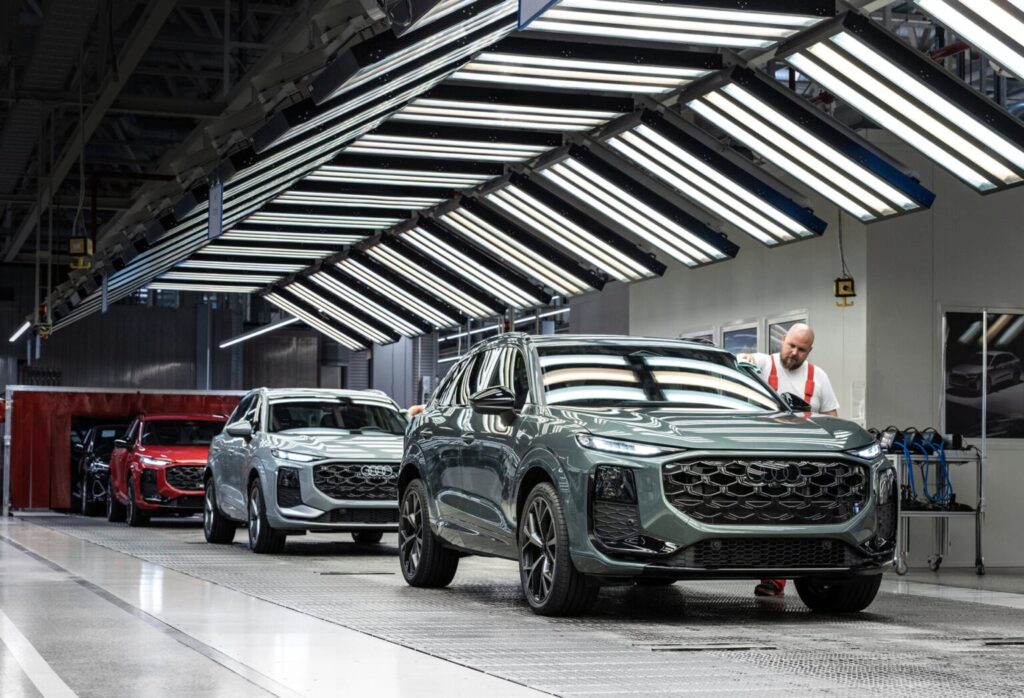
Audi Hungaria. Photo: MTI/Csaba Krizsán
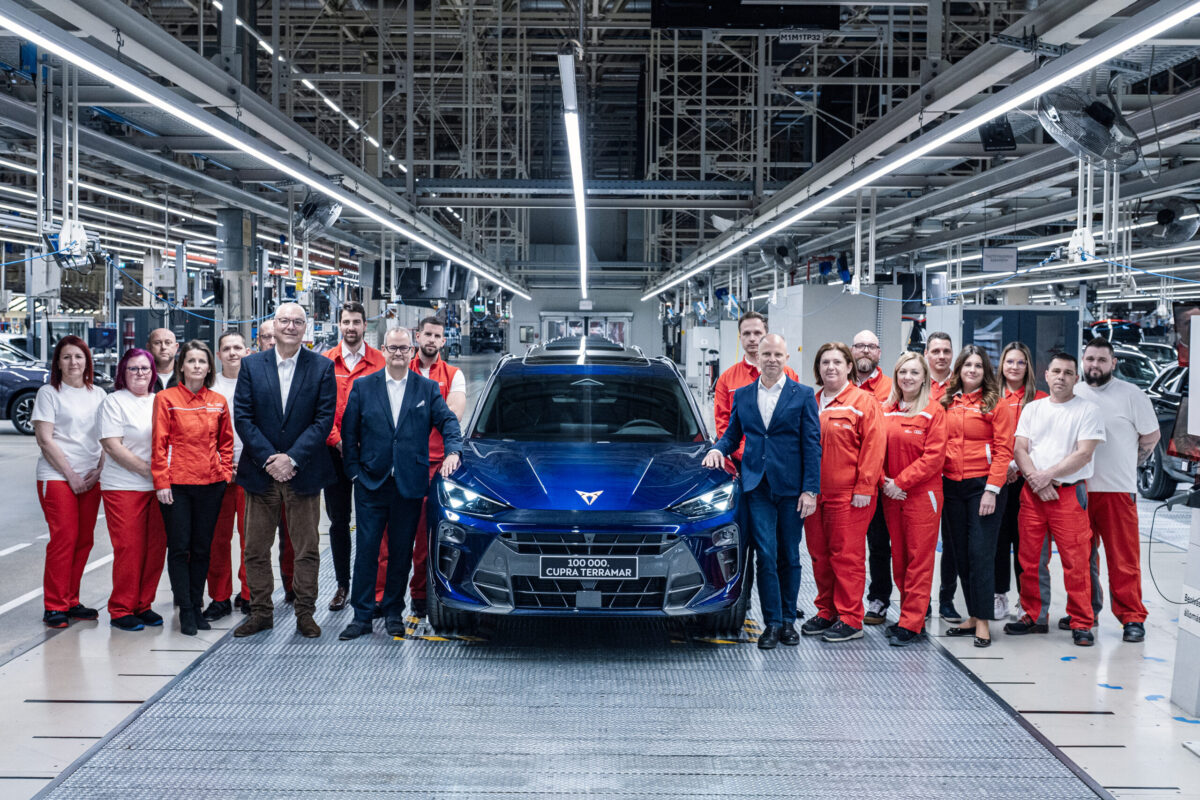
In response to our inquiry, Audi’s press office stated that, based on data as of August 31, a total of 84 people from neighboring countries work at Audi Hungaria; they come from four neighboring countries: Slovakia, Romania, Serbia, and Austria.
In total, the company employs 210 foreign nationals.
They added that while they do not provide any special benefits specifically for foreign employees, foreign employees are also eligible for the benefits offered to all employees.
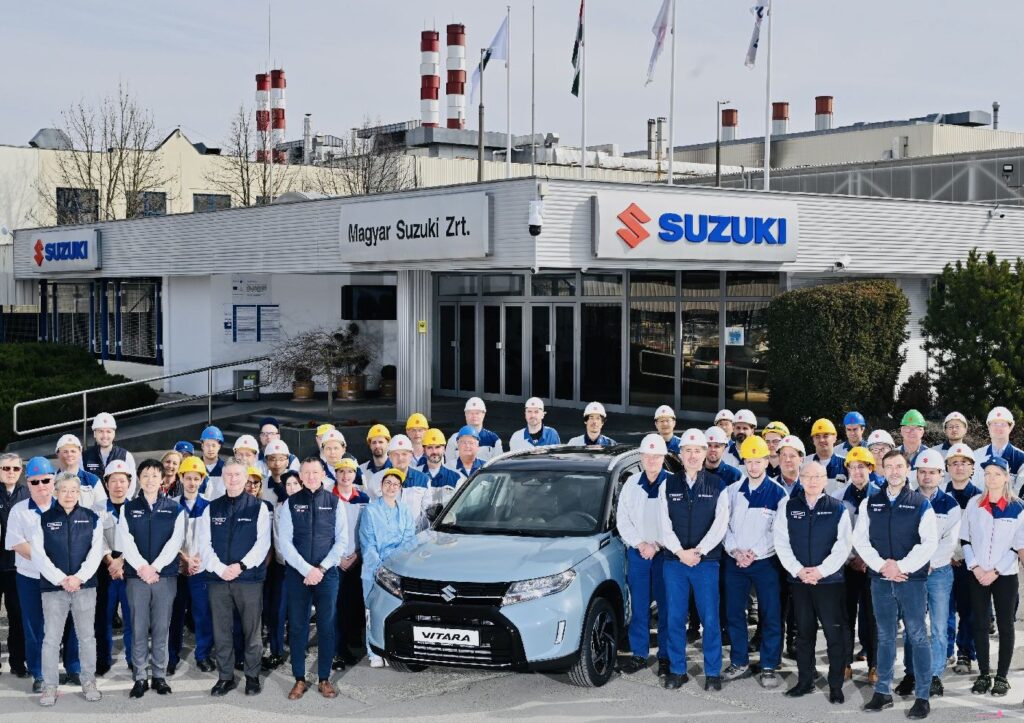
Magyar Suzuki Zrt., based in Esztergom, told Világgazdaság that the company employs nearly 3,000 people. Among its employees,
there are currently 705 foreign colleagues, including 554 Hungarian-speaking Slovak citizens, a significant number of whom commute from the border region to work at the Esztergom plant.
Suzuki provides housing for employees who commute from a distance. At the same time, the company emphasized that it does not discriminate among employees based on nationality; all employees are treated equally.
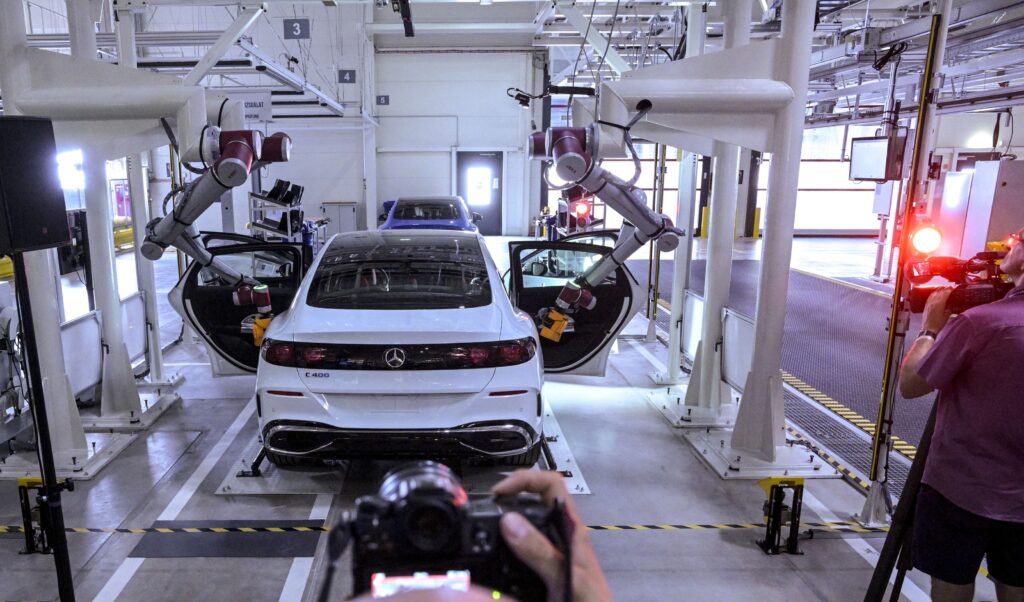
Mercedes-Benz. Photo: MTI/Szigetváry Zsolt
In its response, Mercedes-Benz highlighted that, as of December 31, 2025, it employed approximately 164,000 people worldwide, representing 149 nations. “The diversity of their perspectives, experiences, and backgrounds is one of the fundamental pillars of the company’s success. This also applies to our Kecskemét site, which, with more than 5,000 employees, is the region’s largest employer and contributes significantly not only to local economic development but also to the diversity of the community,” wrote the company’s press office.
They emphasized that, in accordance with their corporate principles, they do not comment on the origin or citizenship of their employees.
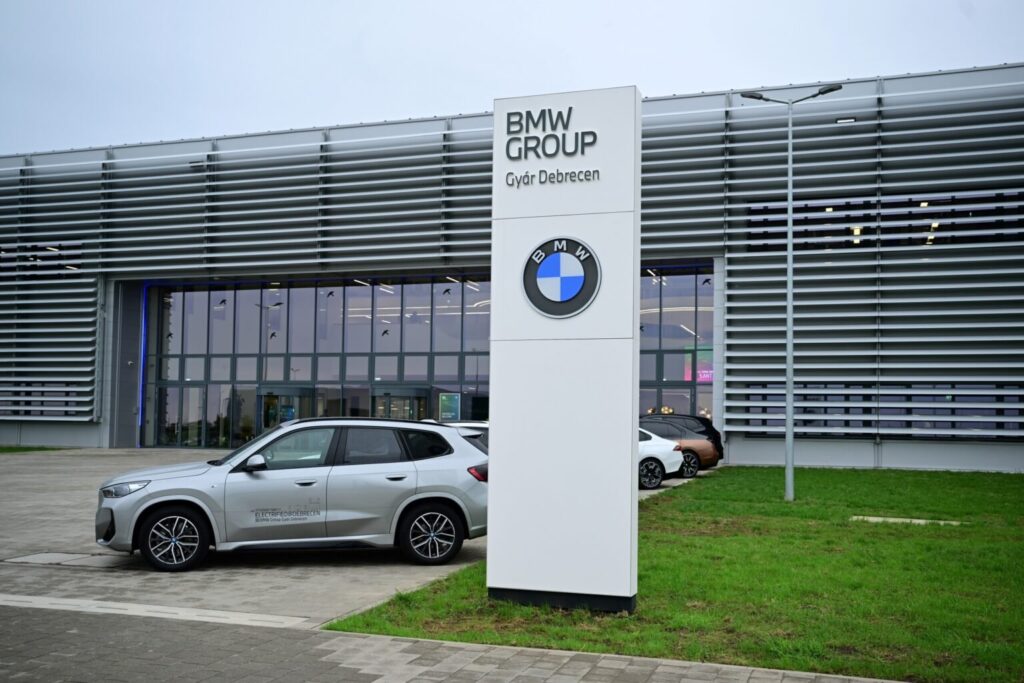
BMW Group. Photo: MTI/Czeglédi Zsolt
BMW emphasized that with the launch of series production of the iX3, the BMW Group is achieving the fastest ramp-up of any of its new plants to date, and as the plant producing the first series-production model of the Neue Klasse, the Debrecen plant plays a pioneering role in the BMW Group’s production network.
As an employer operating in a dynamically developing region, the BMW Group Debrecen Plant relies primarily on the domestic labor market, with recruitment activities covering a catchment area of approximately 70 kilometers.”
In addition, colleagues from various BMW Group sites support production in Debrecen with their expertise, while gaining first-hand experience in the production of the Neue Klasse, which they can later apply at their own sites,” added the company’s press office; however, it did not disclose specific figures regarding the number or proportion of foreign employees.
As of the publication of this article,BYD had not responded to Világgazdaság’s inquiry.
BYD to Expand Its “Hungarian Model” to Conquer European Markets
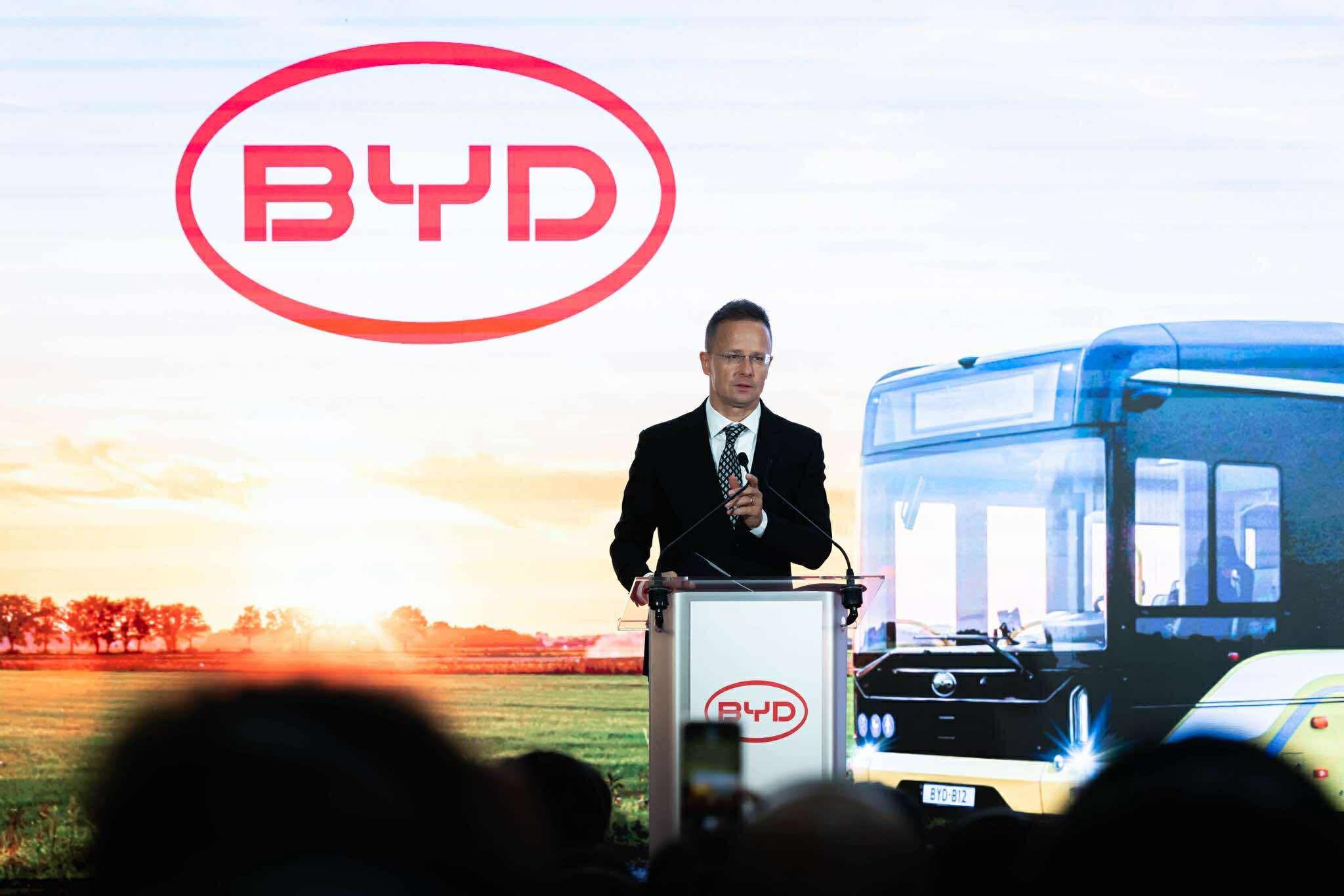
The Chinese automaker plans to produce the vehicles it sells in Europe locally. Continue reading
