
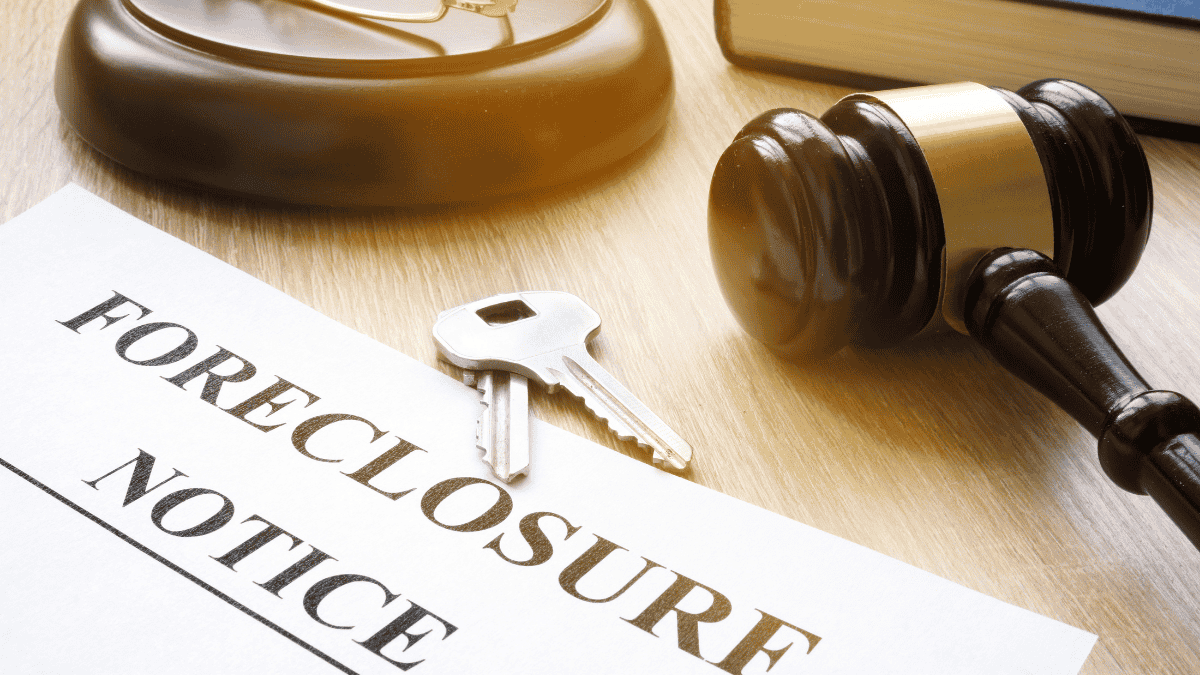
When I began working on this piece, I was told that the mortgage community as a whole—and loss mitigation professionals in particular—would be resistant to the message. But I don’t think that’s true. Because not only are we an industry that values the bottom line, we serve the spirit behind the American Dream of homeownership. If there is any segment of our economy that understands aspiration, it’s us.
During the Great Recession, I had the opportunity and duty to work with thousands of families that had aspired to homeownership, but found themselves in varying stages of the default process. Whether these families were receiving their first Notice of Default, a Notice of Intent to Foreclose, or were facing Trustee Auction dates, they all had one thing in common—each family was in a state of grief.
Purchasing a home is the single largest financial investment most Americans will make in their lifetime. Saving for the down payment and closing costs takes time, sacrifice and determination. And when they finally receive the keys to their home, it fills them with a sense of pride and satisfaction. Owning a home is more than just the brick-and-mortar property—it becomes a part of their identity. They are now a homeowner.
And for many Americans, becoming a homeowner means they are creating wealth through equity, which in turn creates generational wealth and confers all the benefits we in this industry understand so well. They can use this equity to send a child to college, help a family member start a new business, or countless other opportunities that benefit generations. This is the true American Dream—creating a stable foundation on the past, building memories in a family home in the present, and ensuring a better future.
But what happens when life suddenly and unexpectedly changes?
Divorce. Death. Severe illness. A sudden job termination or layoff. An injury that prevents you from working for a period. A loved one that now requires constant care.
Whether it is a combination of each of these changes or any number of others, the income stream to the household drastically decreases. Rapid changes to income bleed savings accounts dry and a lack of options leads to lack of sleep. When the accounts are empty, hard decisions must be made about any resources remaining.
This is the intersection where most loss mitigation professionals typically meet these borrowers: faced with losing not only their greatest financial asset, but also losing their family home filled with memories. Christmas dinners. Babies’ first steps. Older couples that built a history together. Young couples that were filled with dreams for that house. Couples going through a divorce that are not only saying goodbye to their marriage but also the home that same marriage created.
We meet them when their hearts are breaking.
The American Sociological Association published a report in June 2023 using Census Bureau Surveys and state-level data on evictions and foreclosures. Their research concluded that being a homeowner going through the foreclosure process led to high rates of depression, anxiety and other mental health challenges. Further data showed that of the 35 studies conducted in the year 2015, 91% concluded that the foreclosure process had adverse effects on the physical and/or mental health of the homeowner.
Experts also concluded that chronic stress due to the foreclosure process will wear down a person’s psychological resilience. This means that “foreclosure-related depression” can manifest in symptoms such as:
- Persistent sadness
- Hopelessness
- Fatigue
- Difficulty concentrating
- Changes in sleep or appetite
- Substance abuse
- And tragically, even suicide
Studies have also shown there are physical health challenges that often occur to borrowers in the foreclosure process such as:
- Increased risk of heart disease
- Intensifying existing heart disease
- Diabetes
- High blood pressure
- Obesity
We also know that the pressure of foreclosure can create great strain in marriages and relationships, which can lead to endings or divorce—to say nothing of the stress placed on any children living in the home.
Whether we want to be honest about it or not, there is a stigma many people feel about people going through the foreclosure process. Many borrowers experiencing foreclosure feel shame and guilt, causing them to withdraw from friends and family. It is a profoundly difficult time, and retreating from support structures adds to the mounting emotional pressure.
In February of this year, the Huffington Post published an op-ed written by Michelle Polizzi entitled “I was 17 When My Family Lost Our Home. This Is What No One Tells You About Foreclosure.” She states:
Our trouble began in 2009, the beginning of my senior year of high school and the middle of the subprime mortgage crisis. My father, deep in the throes of addiction, stopped paying the mortgage on our house in upstate New York and abruptly moved away, taking my little brother and most of our furniture.
My mother and I stayed as long as we could, kindling the hope of reuniting as a family once I graduated. That winter, squatting in a house we were no longer paying for, the cold closing in around us and foreclosure on our heels, I was afraid unlike ever before. Fiercer than the cold and bigger than my fear, however, was an immutable sense of embarrassment.
The majority of Americans know someone who has been through mortgage default — whether they know it or not. Many of these individuals sunk their life savings into their home: they put in a pool, landscaped the yard, built the swing set of their children’s dreams. These families are triggered and heartbroken. Sometimes, this emotional response comes with a desire for revenge against their lender and servicer, which can manifest in significant damage to the property. Whether borrowers are selling appliances for cash or destroying windows, punching holes in walls or intentionally causing water damage — they may feel vindicated in expressing their anger through demolition.
Let me be clear: I am not saying I validate this behavior or find it acceptable in any way. Quite the contrary. However, after working in loss mitigation for over 10 years, I have learned that these individuals are operating from a manic state of mind. They are emotionally flooded and unable to control their rage. And while their behavior is throwing gas on the proverbial fire, I ask you to at minimum ponder the emotional hell they must be experiencing to light the match.
So, the ultimate question to our industry and ourselves is: What can we do to show empathy to our borrowers facing default and foreclosure? As an industry, we must ultimately consider the bottom line. But as individuals, I ask each of you to consider the following.
Consider that line of every spreadsheet is reflected as a line on that borrower’s face. A smile line. Crows’ feet around their eyes reflecting the years of their story. Stress wrinkles in their forehead revealing all they have survived and endured.
Their cumulative story is far greater than the numbers on the spreadsheet you are reviewing. Demonstrating empathy, offering kindness, and guiding with as much compassion as we can summon will not only help these people at their most vulnerable. It won’t just potentially have a positive effect on your bottom line. It will celebrate your own humanity in the face of sorrow.
Tai Christensen is the president of Arrive Home
This column does not necessarily reflect the opinion of HousingWire’s editorial department and its owners.
To contact the editor responsible for this piece: [email protected].
