

Add to Google Preferred Sources
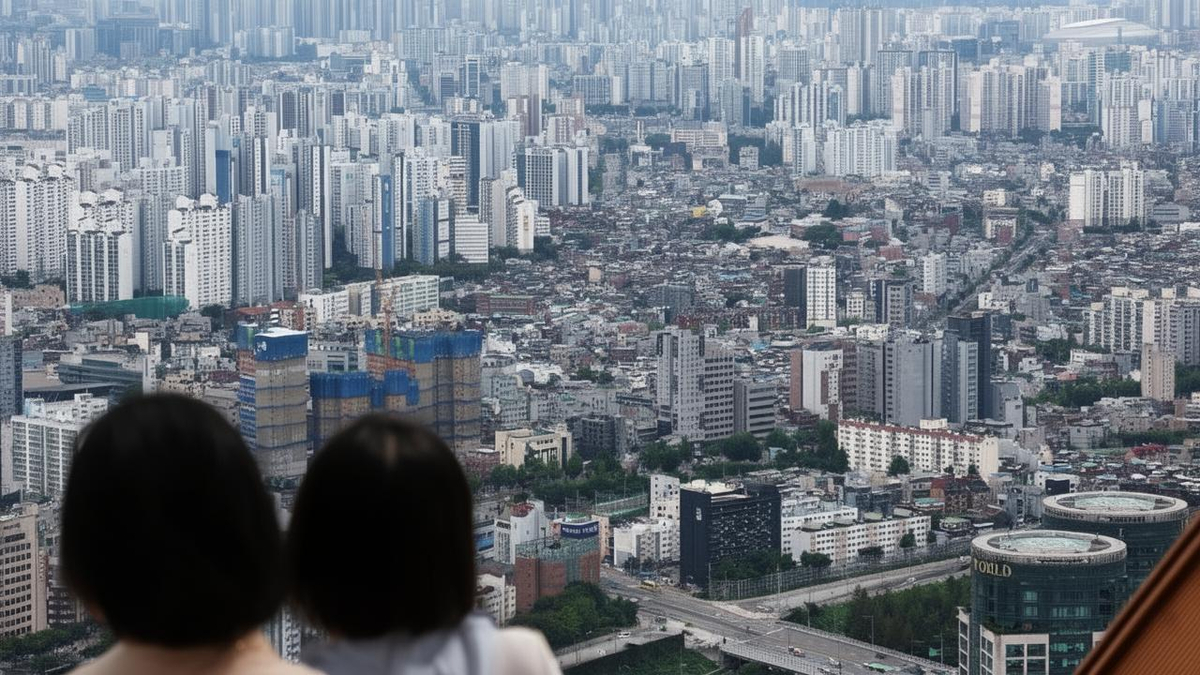
An analysis shows that if Seoul apartment prices maintain their recent annual growth rate of 11%, by 2030, apartments subject to South Korea’s Comprehensive Real Estate Tax would emerge in 22 of Seoul’s 25 autonomous districts—all except Gangbuk-gu, Geumcheon-gu, and Dobong-gu. People Power Party lawmaker Shin Dong-wook, using a KB Kookmin Bank simulation model to analyze 125 major apartment complexes across Seoul, found that taxable complexes would increase from 78 this year to 101 by 2030. Total Comprehensive Real Estate Tax levies would surge approximately 8.9-fold over the same period, from 58.9 billion won (approximately $43.6 million) to 526.2 billion won (approximately $389.5 million), with tax burdens in non-Gangnam areas projected to spike by as much as 56 times. Even if home price growth slows to half the current pace at 5.5% annually, total Comprehensive Real Estate Tax would still grow to five times this year’s level.
Key Elements
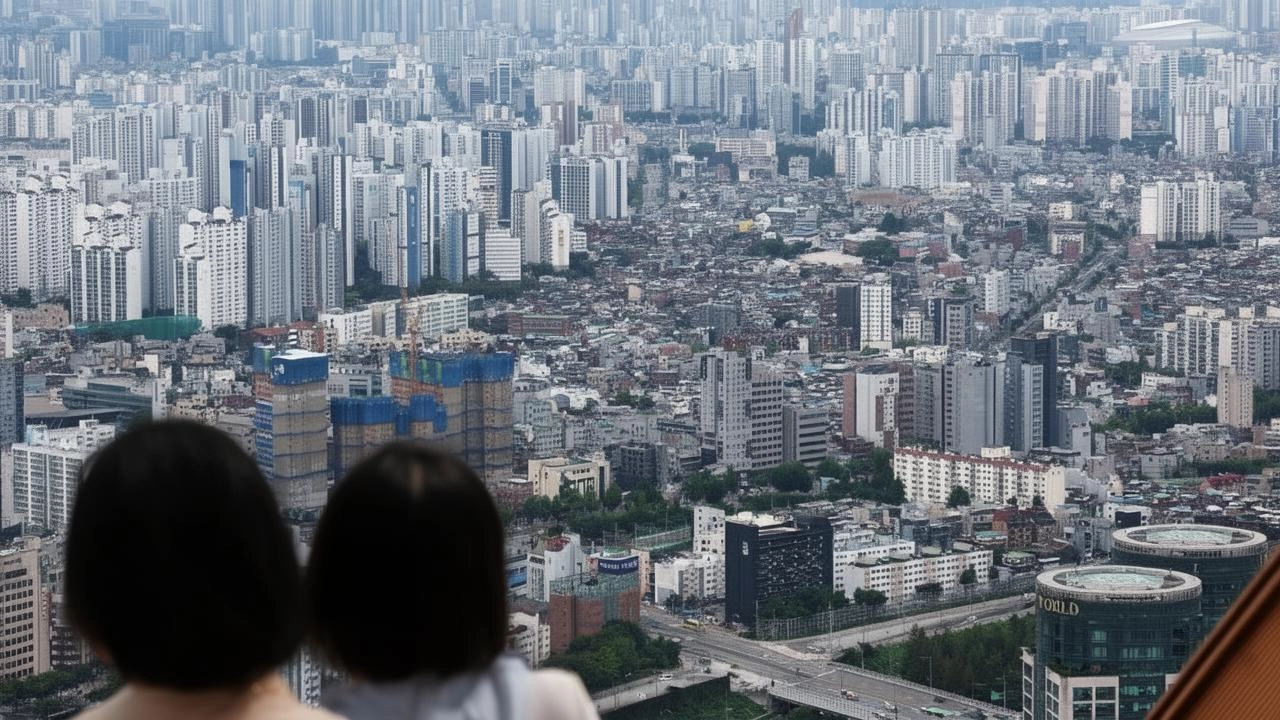
An analysis suggests that if Seoul apartment prices maintain their recent pace of appreciation, by 2030, apartments subject to South Korea’s Comprehensive Real Estate Tax would emerge in 22 of Seoul’s 25 autonomous districts—all except Gangbuk-gu, Geumcheon-gu, and Dobong-gu. Currently, only 19 districts have apartment complexes subject to the tax, but the taxable scope could expand across all non-Gangnam areas within five years.
The findings come from an analysis conducted by People Power Party lawmaker Shin Dong-wook, a member of the National Assembly Political Affairs Committee, using a simulation model provided by KB Kookmin Bank. The analysis examined 34-pyeong (approximately 1,210 square feet) apartments across 125 complexes—the top five complexes by KB market price in each of Seoul’s 25 autonomous districts. As of this year, 78 complexes across 19 districts are subject to the Comprehensive Real Estate Tax.
Assuming Seoul apartment prices continue rising at the 11% annual rate recorded from June 2025 to May of this year, the number of taxable complexes under non-resident criteria would increase to 101 across 22 districts by 2030. New taxable properties would emerge in Gwanak-gu, Nowon-gu, and Jungnang-gu—where all five sampled complexes are currently exempt—meaning the tax would spread across virtually all of Seoul except Gangbuk-gu, Geumcheon-gu, and Dobong-gu.
Of the 47 complexes currently exempt from the tax, 23 would become newly subject to the Comprehensive Real Estate Tax by 2030. By district, Gangseo-gu, Gwanak-gu, Guro-gu, and Eunpyeong-gu would each see four additional taxable complexes, followed by Seongbuk-gu with three, Jongno-gu with two, and Nowon-gu and Jungnang-gu with one each. The 35-pyeong unit at DMC SK View in Eunpyeong-gu currently carries no Comprehensive Real Estate Tax, but under the simulation, taxation would begin in 2029 under non-resident criteria, with an estimated burden of approximately 1.13 million won (approximately $840) by 2030.
The number of taxable complexes initially declined following the government’s tax reform before rebounding as home price appreciation accumulated. Under non-resident criteria, taxable complexes would decrease from 78 this year to 68 in 2027, then rebound to 82 in 2028, 94 in 2029, and 101 by 2030.
The increase in tax burden is even steeper than the expansion of taxable properties. Total Comprehensive Real Estate Tax levies—reflecting all households across the 125 complexes—would rise approximately 8.9-fold from 58.9 billion won (approximately $43.6 million) this year to 526.2 billion won (approximately $389.5 million) by 2030 under non-resident criteria. Under owner-occupant criteria, the total would reach 334.7 billion won (approximately $247.7 million), a 5.7-fold increase. The simple average per-unit tax across complexes would jump from 951,338 won this year to 8,428,401 won under non-resident criteria and 5,549,778 won under owner-occupant criteria by 2030.
The increase is particularly pronounced in non-Gangnam areas where current Comprehensive Real Estate Tax burdens are relatively light. Combined tax on major complexes in Eunpyeong-gu, Guro-gu, Seongbuk-gu, Gangseo-gu, Dongdaemun-gu, Gwanak-gu, Nowon-gu, and Jungnang-gu would surge from approximately 720,000 won (approximately $530) this year to about 40.58 million won (approximately $30,000) by 2030 under non-resident criteria—a roughly 56.6-fold increase.
Even if home price growth slows to 5.5% annually—half the rate of the past year—the tax burden would still expand considerably. Under this scenario, 82 complexes across 19 districts would be taxable by 2030 under non-resident criteria, with four currently exempt complexes becoming newly taxable, all located in Gangseo-gu. Total Comprehensive Real Estate Tax across the 125 complexes would reach 292.6 billion won (approximately $216.6 million) under non-resident criteria by 2030—approximately five times this year’s level—and 171.9 billion won (approximately $127.2 million) under owner-occupant criteria, a 2.9-fold increase.
The case of the 34-pyeong unit at Godeok Grasium in Gangdong-gu illustrates the trajectory. This year’s Comprehensive Real Estate Tax is approximately 570,000 won (approximately $420). Even assuming 5.5% annual price growth, the tax would swell roughly fivefold to about 2.88 million won (approximately $2,100) by 2030 under non-resident criteria; assuming 11% annual growth, it would climb to approximately 6.59 million won (approximately $4,900).
The simulation incorporated the government’s Comprehensive Real Estate Tax reform proposal and its revised version, applying a basic deduction of 1.4 billion won (approximately $1.0 million) for owner-occupants and 1.2 billion won (approximately $890,000) for non-residents from 2027 onward. The fair market value ratio was assumed at 70%, with a tax burden cap of 150%.
“The government’s tax reform plan, despite some revisions, has caused significant disruption in the real estate market,” Shin said. “Going forward, the Comprehensive Real Estate Tax will effectively become a ‘Seoul resident tax’ imposed on ordinary citizens who own a single home in Seoul.”
Once added, BigGo Finance appears first in Google Search Top Stories, so you get the broadest, most up-to-the-minute, and most comprehensive global financial news first.
